
 Contact Us
 Get Involved
 Contact Us



Kindergarten - 6th Grade
Arbor School of Central Florida's K-6 School uses a sensory-based classroom approach to work with children facing learning challenges such as Autism, Sensory Processing Disorder, Down Syndrome, and other diagnoses. Your child will receive an individualized curriculum that gives them the ability to progress and learn. In addition to highly personalized academics, students receive (as needed):
Greenspan Floortime & Sensory Integration
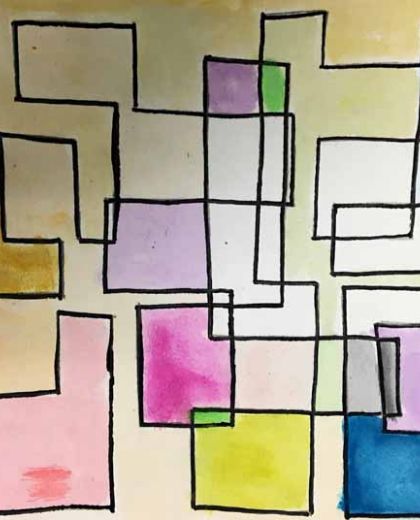
Arbor School relies on the Greenspan Floortime model coupled with Sensory Integration to help our students gain the communication and social skills needed to be successful in life. These models combined rely on trust, strong relationships, and meeting each child at their developmental level.
Meeting the child at his or her developmental level assures that demands are not above their ability which reduces the stress and anxiety of the child which decreases stressed induced behaviors. Higher level demands are placed on the child as they are able to attain them.
STEAM
Arbor School recognizes that technology is the future of our students and that they will be pursuing careers that are STEAM related, many of which have not been developed yet. With that, each child’s individualized learning plan includes a blend of direct instruction, hands-on learning, and STEAM. Our students have the opportunities to learn programming through robotics and game development, CAD and digital drawing through the use of 3-D printers and laser etching.
Project-based Learning & Universal Design Learning
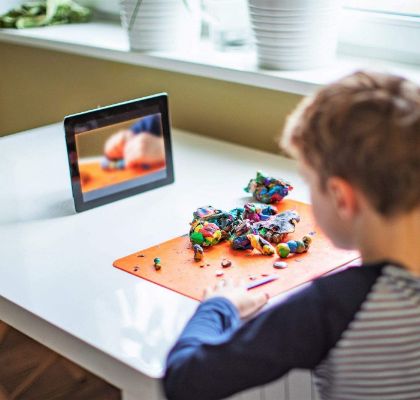
Universal Design Learning is a tremendous tool that allows all students to learn and share what they know in ways that make sense for them. Ideally UDL would be used in all classes with all students as it allows all students to be successful.
UDL is based on three domains: (CAST. http://udlguidelines.cast.org)
Affect Networks which is the why are we learning this. Student engagement in the learning process is crucial with many different ways to engage students and keep them engaged. Some students work best in groups with lessons that are flashy while others prefer a quiet routine. Providing many different ways to engage the students will keep them engaged and learning. For our students, engagement is extremely important. School –wide we recognize that this is vitally important for our students. As a result, Arbor School uses Project Based Learning (Buck Institute for Education. https://www.pblworks.org/ ) as our primary tool for engagement.
Representation Networks is the what of learning. Students all learn differently either auditory, visually, or hands on. Some students will learn a concept fast while others will take longer and need multiple ways of learning before mastering the skill. Lessons that are presented using many different methods will assure students will be given the opportunity to learn. A vast majority of our students are visual, hands-on learners. As a direct result nearly everything we do with the students is taught using one of these methods through the use of multimedia, activities that incorporate movement (sight words on scooters), building atoms from Styrofoam, or learning math facts through music are just some of the ways we help meet the learning styles of our students.
Action and Expression is the how of learning and focuses on how a student organizes and expresses their ideas and requires a great deal of practice and organization. Students should be given multiple ways to express what they know whether it is with essays, speeches, presentations, or video. One of main components to Project Based Learning is that there are multiple ways for students to share what they know. Students who do not test well can show their knowledge through posters, skits, videos or any other method.
The use of UDL in the classroom allows all of the students to learn, grow, and be successful.
Schedule Snapshot
The school day begins with a PE class to get the students ready for the start of the day during homeroom. After the warm up, the learning starts with first period classes in the scheduled subject. The primary program stays within one classroom throughout the day, while the middle school rotates into the classes for each subject. During the day, the children will attend varying subjects from the basics such as math, science, and reading but will also learn through therapeutic activities and social interaction.
Individually-Tailored Learning Experience
These components are utilized in combination to help your child with their learning abilities, social skills, and language skills. A typical learning experience at our school also includes:
- Small Classroom Size
- Small Group Instruction
- Sensory Sessions
 Get Involved
 Contact Us